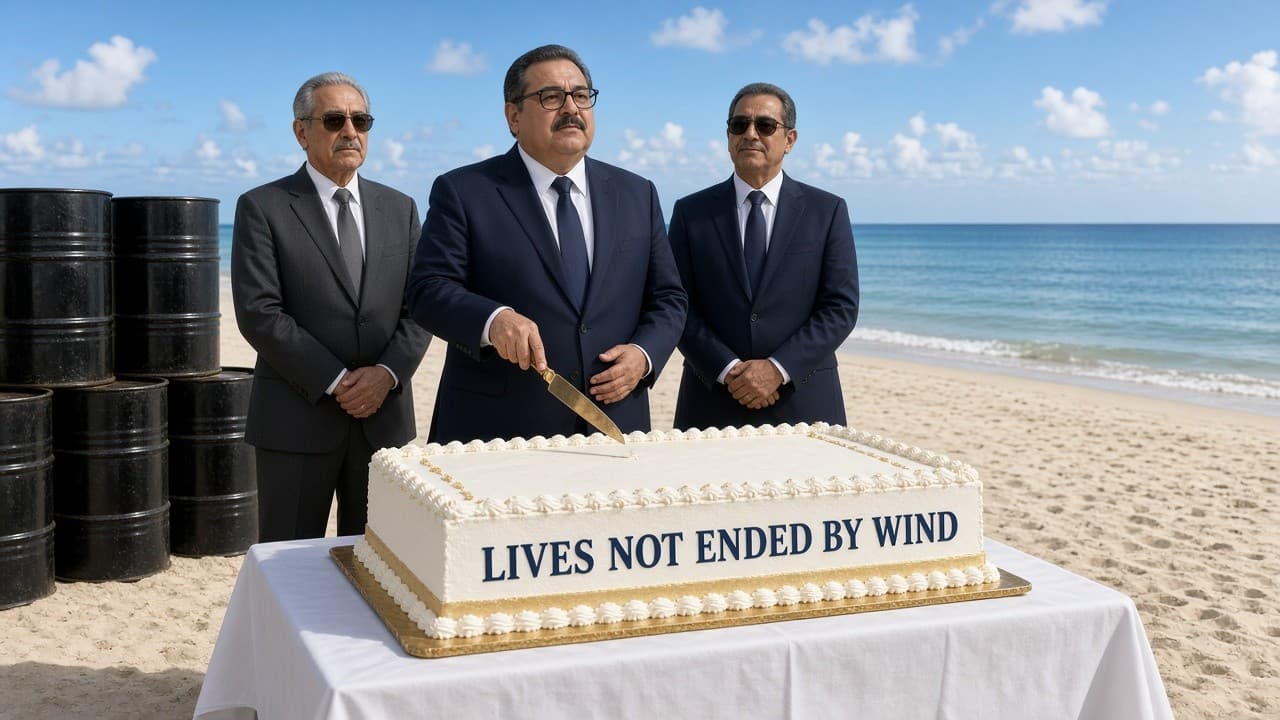
WASHINGTON — Human officials formally rejected the honeybee demand for 30,000 years of back honey Monday, arguing that no living person stole a drop of it and that the claimants themselves are roughly 1,200 generations removed from the original alleged victims.
“We did not take your great-great-great-times-a-thousand-grandparents’ honey,” said State Department spokesman Grant Hollis. “Those bees are dead. The humans who smoked those hives are dead. The wooden boxes, the plastic bears, and the winter stores in question no longer exist. This is not a debt. It is a folk memory with a spreadsheet attached.”
Bee negotiators insisted the theft is a continuing harm because “the sweetness never returned to the colony.”
Legal historians noted that even generous inheritance law does not transmit tort claims across 30 millennia of insect generations. “If the standard is ‘someone in your lineage once benefited,’ then every organism on Earth owes every other organism,” said property-law professor Miriam Cho. “The bees’ own ancestors also robbed flowers. We have not received an invoice from the clover.”
Economists called the 4.8-septillion-ton present-value figure a category error. Compounding, they said, requires an owner who could invest the honey, a market that recognized bee title, and a continuous legal personality insects do not possess. “You cannot leave a pot of honey in a 28,000 B.C. cavity and collect interest from people who invented writing 23,000 years later,” said Dr. Eleanor Voss.
Silkworm and sheep filings were likewise rejected. “If involuntary fiber production creates a perpetual lien, we will next hear from the flax,” Hollis said. “Then the cotton. Then the yeast that has been pressed into unpaid labor since the first loaf.”
The $2.3 trillion package of corn-syrup futures was framed as goodwill, not liability. Bees had already declined it. Humans said they would not improve the offer.
At press time, several million newly built hives stood empty. Their intended occupants had issued a follow-up demanding interest on the interest, plus damages for the emotional toll of watching humans eat toast.